The Pointman Pages: Veteran Art & Remembrance on the Early Web
The pointman walks first on a patrol — eyes up, reading the trail for everyone behind him. When veterans of Vietnam began building websites in the late 1990s, the name fit the work: somebody had to go first, to put a unit's story online before the men who carried it were gone. This corner of the site was one of those efforts — a hand-built set of frames and pages where a unit's memory, art, photographs, and visitors' messages lived side by side. The original pages belonged to the men they named, so we do not reproduce rosters or personal tributes here. What we keep is the institution's story, because it is worth telling.
What a Unit Site Was
A typical veteran site of the era had five rooms, and this one had them all: a front page with an emblem and a welcome; a history section that walked the unit's geography hill by hill; a gallery of photographs and, on the richest sites, paintings and drawings by the veterans themselves; a links page binding the site into a web ring of sister units; and a guestbook, which did the real work. Men who had not spoken in thirty years found each other in those entries. Reunions were organized in them. More than once, a family learned the last hours of a son or brother from a stranger's guestbook post — gently, in public, witnessed.
Art as the Honest Record
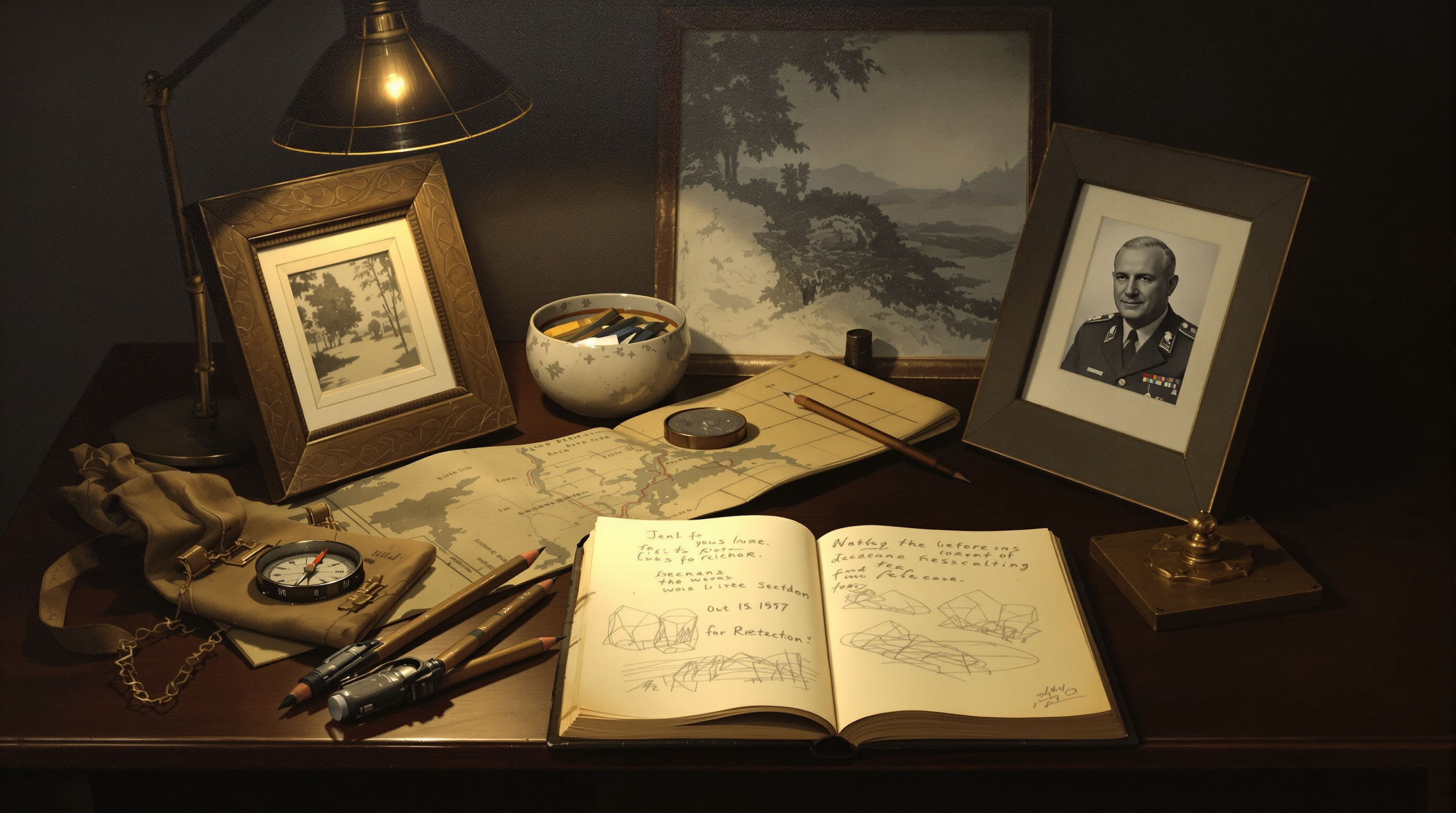
Photographs from the war were rationed by what a camera could survive; memory was not. So the unit sites became the first public galleries for veteran art — scanned sketches, paintings photographed on porches, maps redrawn from memory with an accuracy that still startles archivists. The work answered a need official history could not: it showed the war at the scale of one man's eyes. The services' own collections, like the National Museum of the Marine Corps, hold the formal record; the unit sites held the vernacular one, and the two together are the genre. Our combat art pages trace that larger story.
The Fragility of the Volunteer Archive
Every unit site ran on one volunteer — a webmaster who paid the hosting, answered the email, and typed the updates. When the volunteer faltered, the archive blinked out: domains lapsed, hosts folded, guestbook scripts broke and took a decade of entries with them. Digital preservationists now study these losses as a cautionary canon. The lesson, repeated by every institution from the Library of Congress web archiving program on down, is blunt: memory on the web survives only when someone copies it forward, deliberately, before the failure — never after.
The Guestbook as a Primary Source
Historians were slow to take the old guestbooks seriously, and many are gone before anyone did. That is a real loss, because a unit site's visitors' book was often the richest thing on it — not the polished history page but the raw column of entries where a door gunner, a widow, and a grandson three generations down all signed within the same week. Read in bulk, those entries are oral history writing itself in real time: corrections to the record, first admissions, the slow assembly of a reunion. Archivists now urge anyone who still controls such a page to export the plain text before the hosting lapses — unlike a painting, a guestbook has no physical original to fall back on. When it goes, it goes completely.
Walking Point for Memory Now
The model these sites invented — testimony plus art plus a place for the audience to answer — did not die with the guestbook era; it moved into oral-history projects, memorial funds, and family archives. If your household holds a veteran's sketches, letters, or unit materials, the pointman's job has passed to you. Scan them, label them with names and places, and lodge copies somewhere institutional as well as somewhere loved. The men who built these pages walked first so the story would survive the trail. Keeping it moving is the only fitting thanks.